Your Frame.
Measured.
Restored.
Your car's protection resets with every repair. We restore every structural point to factory spec, so the next impact is handled the same as the first.
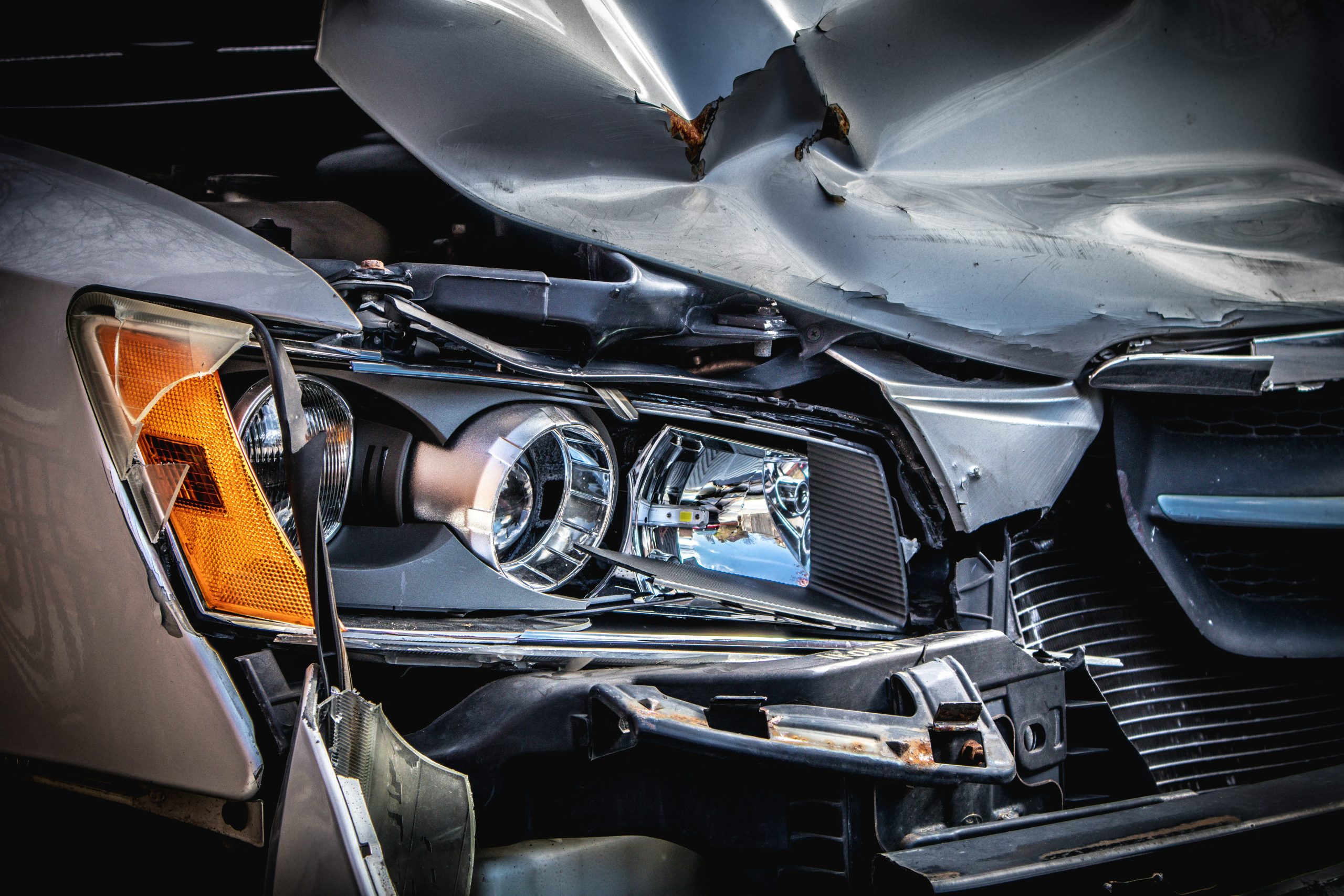
Digital Mapping
We use laser-guided systems to map your frame against original factory blueprints.
Safety First
Every weld is tested to ensure the crumple zones protect you exactly like a new car.
Lifetime Trust
This repair is built to last as long as you own the vehicle. We hold ourselves to that.
Claims Support
We document every step for your insurance, making the recovery process light and easy.
A collision is
stressful enough.
The repair
shouldn't add to it.
You didn't plan for this. And now you're dealing with insurance calls, rental cars, and a shop you've never used before, hoping they get it right. That uncertainty is real. So is our commitment to removing it.
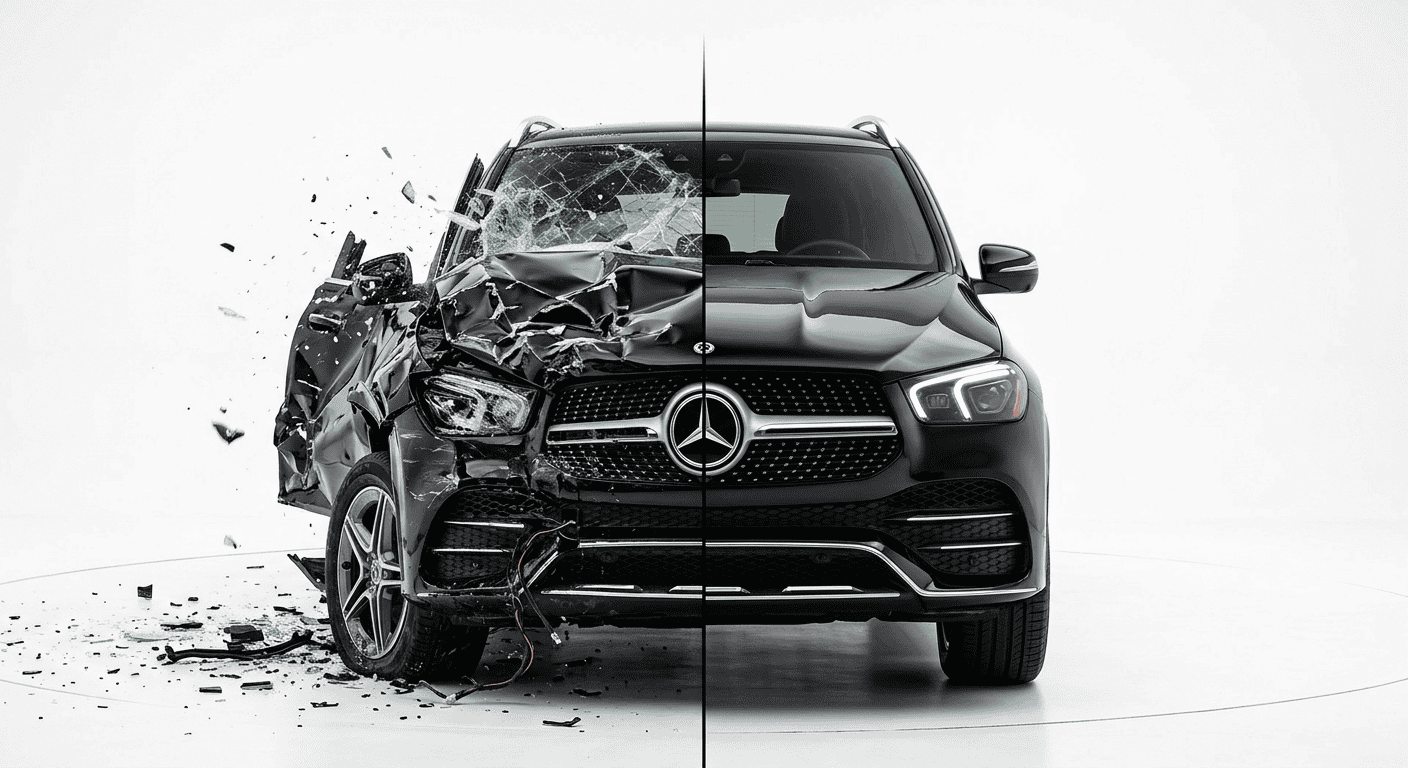
Collision repair done fast
is not the same as
done right.
Most shops are built for volume. When speed is the priority, precision is the first thing cut — and you carry the consequences long after the car is returned.
No Measurement Tools
A straight-looking frame can still be off. Without digital measuring, small alignment issues get missed and affect how your car drives and protects you.
Skipped Safety Systems
Airbag sensors and ADAS systems often sit behind damaged panels. Some shops fix what you can see and miss what keeps you safe.
Vague Estimates
A short estimate rarely tells the full story. When damage isn’t documented upfront, added costs show up later.
Parts Over Margin
Some replacement parts save money upfront but affect fit and long-term durability. Clear sourcing helps you know what’s going on your vehicle.
No Update System
Silence during a repair usually means there’s no clear process. Then delays and issues surface when you pick up the car.
Insurance Over Quality
Some repairs follow insurance timelines more closely than factory standards. So the car gets finished fast, but not always repaired right.
Your car back.
Safe. Straight.
Exactly as it was.
When you pick up your vehicle, the frame is verified and bumper sensors are checked. We show the measurements to prove it.
Sound
Identical
Verified
Documented
Collision Damage Assessment
How Serious Is
Your Collision?
5 questions about the impact and your vehicle's current condition. Understand what category of repair you're likely dealing with before you call anyone.
Question 01 / 05
Where was the primary point of impact?
Front and rear impacts directly involve frame rails and crumple zones. Side impacts can compromise structural pillars.
Question 02 / 05
Did any airbags deploy?
Airbag deployment indicates the collision sensors registered significant structural force — regardless of how the car looks on the outside.
Question 03 / 05
Is the vehicle still drivable?
Drivability is a rough indicator of structural integrity — but a car can drive and still have compromised frame geometry.
Question 04 / 05
How many panels are visibly damaged?
Damage that travels across multiple panels usually means impact energy was distributed through the structure — not just the surface.
Question 05 / 05
Have you noticed anything different when driving since the collision?
Steering pull, new noises, vibration, or warning lights are all signs of underlying structural or mechanical involvement beyond what's visible.
—
—
What Happens at Our Shop
Frame measurement to millimeter tolerance. Every collision repair starts with a full structural measurement — not a visual inspection. We document what the numbers say, not what it looks like.
ADAS pre-scan and post-scan on every repair. If your vehicle has sensors, cameras, or driver assist systems, we scan before and after. A straight frame with a miscalibrated sensor is not a safe car.
Written estimate before work begins. You get a documented number — and if hidden damage appears during teardown, we stop, document it, and work with your insurer to cover it before continuing.
The standard
is the proof.
We don't have years of reviews yet. So instead of asking you to take our word for it, here's what we commit to on every collision repair, and the benchmarks we hold ourselves to.
Written Estimate Before We Touch Anything
You approve scope and cost before work starts. No verbal agreements. No surprise add-ons once the car is in the bay.
Photo Documentation at Every Stage
We document before, during, and after. So you can see the work and share it with your insurer if needed.
Proactive Updates — No Need to Chase Us
If something changes, you hear from us first. We keep you updated instead of waiting on calls.
We Make It Right If Something Isn't
If you spot an issue at pickup or later, we fix it. Every job has to be right, not just finished.
The Standards We Work To
These are the technical benchmarks that guide every collision repair we perform. Not add-ons, the baseline every car deserves.
Your concerns
are fair.
Here's the
honest answer.
We hear these often from people who’ve had a bad experience elsewhere or want clarity before moving forward.
Ready to Proceed
Your Frame.
Measured.
Restored.