Your Color.
Read.
Matched. Sealed.
Your car's paint has drifted from its factory code. UV exposure, heat cycles, and time all shift the formula. We read the surface, not the spec sheet, and blend to what your car is now, not what it was.
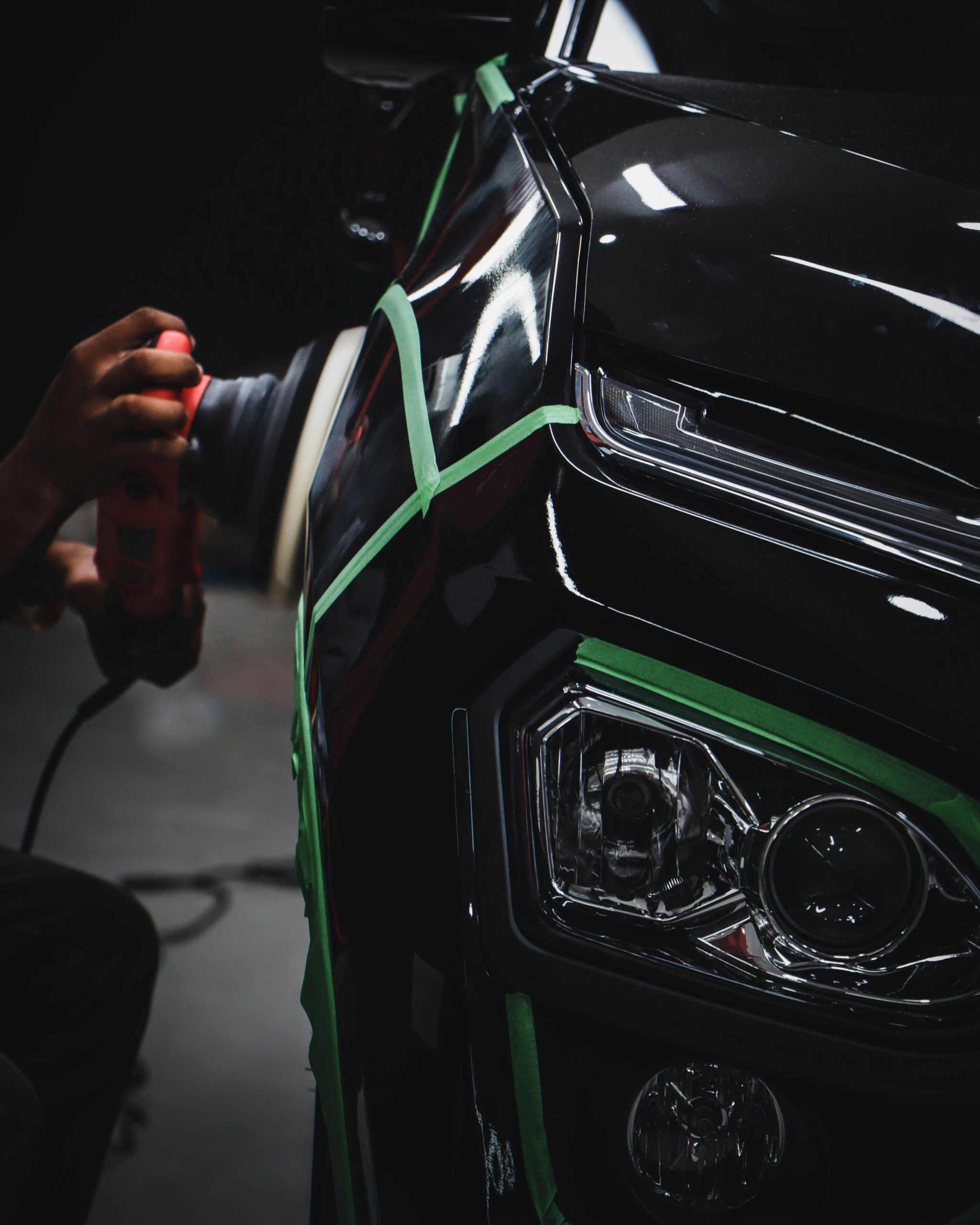
Pure Air
Our bays are climate-controlled and sealed to keep every speck of dust off your finish.
Exact Match
Using digital spectrophotometers, we match the age and fade of your current paint.
UV Protection
We use high-solids clear coats that block UV rays, keeping that "wet look" for years.
Eco-Friendly
Our waterborne finishes are better for the air and provide deeper, richer color layers.
The color was off. You could see it the second the sun hit it.
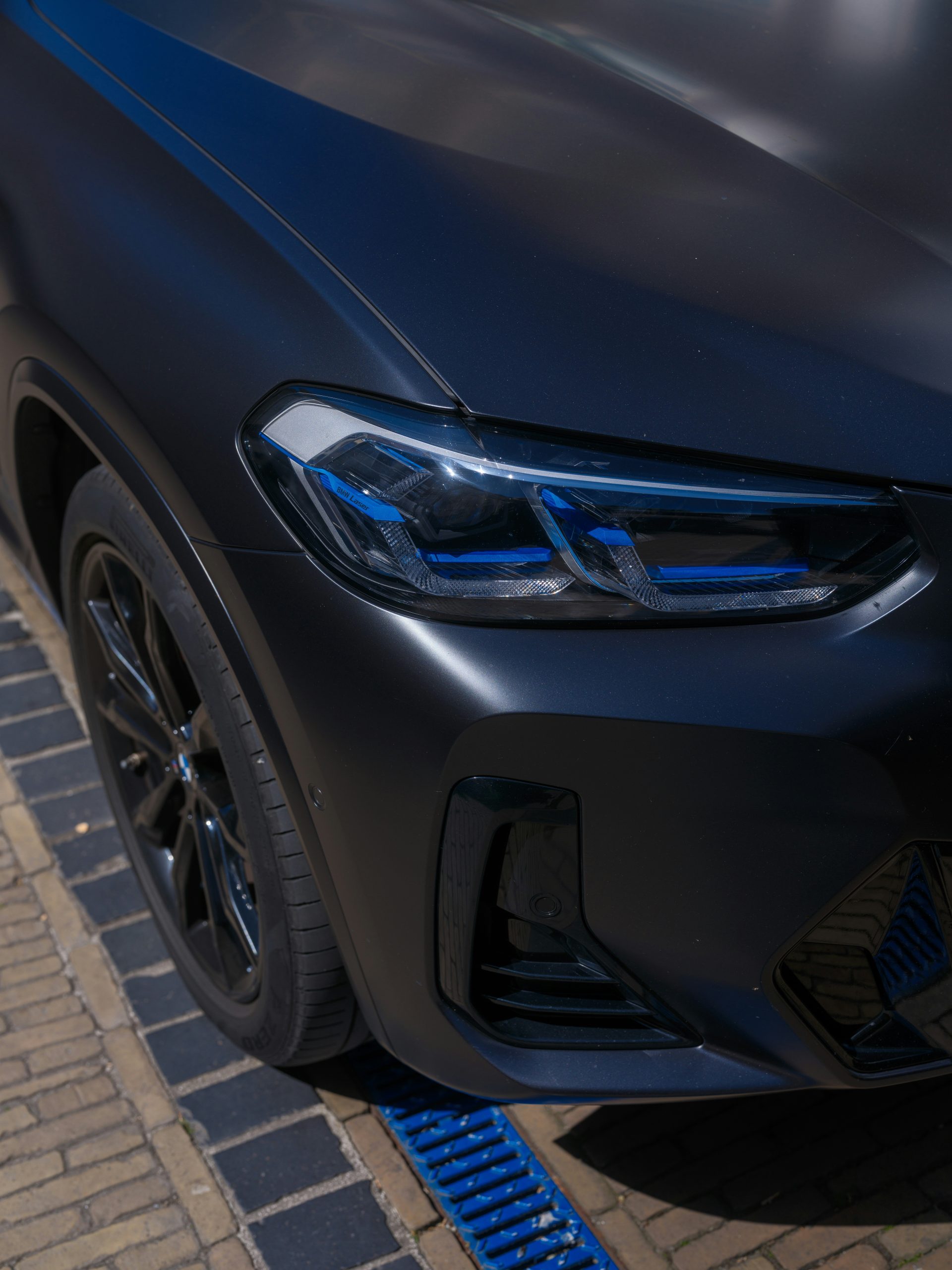
Sunlight shows what shop lights miss. A paint match should hold up outside, not just in the bay.
A color match is only as good
as the process
behind it.
Most paint problems don't show up in the shop. They show up weeks later, in sunlight, when fixing them gets harder.
Not Matching the Label
Your paint code matched on day 1. Sun and weather slowly shift the color, so a code-only mix can stand out fast in sunlight.
Open-Air Paint Paint Bays
Fresh paint attracts dust fast. Open bays leave your clear coat exposed, and those tiny particles stay locked in the finish.
Thin Clear Coat Layer
Clear coat protects against sun and road wear. Thin coats may look good at pickup, but fading and peeling often follow.
No Surface Prep
Paint needs a clean surface to bond. Leftover grease or rust can lead to bubbling and peeling soon after pickup.
No Sunglight Test
Shop lights can hide drips and color shifts. Without a sunlight check, small flaws leave the shop with your car.
Cutting Cure Time
Fresh paint needs time to harden. If the car leaves too early, even a simple wash can mark the finish.
Walk around it.
In sunlight.
And see nothing.
No panel reads differently from the next. No texture shifts in the clear coat. No color that changes in different light. When the finish is right, sunlight confirms it.
Repair
Match
Clear Coat
Verified
Paint Match Confidence Check
How Hard Is Your
Color to Match?
Answer 5 questions to find the right method for your car.
Question 01 / 05
How old is the vehicle?
Paint drifts from the factory code over time. Older cars are harder to match from the code alone.
Question 02 / 05
Has any panel been repainted or repaired before?
Previously painted panels carry a different formula and thickness than factory — making the factory code even less reliable.
Question 03 / 05
What type of color is the vehicle?
Metallic and pearl finishes contain flake or mica particles that reflect light differently — much harder to match than solid colors.
Question 04 / 05
How many panels need to be painted?
The more panels involved, the more visible any mismatch becomes — especially where panels meet adjacent areas.
Question 05 / 05
How long has the damaged area been exposed to sun and elements?
UV exposure fades paint around the damage. Adjacent panels need to be blended to hide the difference between old and new.
—
—
What This Means for Your Repair
We read your actual current color spectrally. Not the factory code — the color your car is right now, accounting for fade and drift. That's the only way to get it right.
Adjacent panels are blended, not just painted. Where new paint meets old, we blend the transition so the difference disappears under sunlight — not just in the shop.
Verified in direct sunlight before return. Every paint job is inspected outside under natural light before your car is released. That's where mismatches show — so that's where we check.
Answers
to the questions
worth asking.
If you've had a bad paint job before, these are probably the questions you wish you'd asked the first time.
Ready to Proceed
Your Color.
Read.
Matched.
Sealed.